
Speed control is critical to safe truck operation. Statistics show that more than 50% of large truck crashes have speed as a causative factor. As professional truck drivers, you require much stopping and maneuvering space and space—considerations that are even more important when confronted with potential problems such as being cut off or working on slippery areas.
That is where cruise control becomes useful. This handy feature assists you in holding steady speeds while driving long distances on the interstate, allowing you to pay attention to other important aspects of safe driving. We are launching five groundbreaking cruise control tips that will improve your highway experience and highway safety.
The Proactive Safety Approach
These tips aren’t all about bashing buttons – they are a comprehensive approach to road safety. Allowing yourself safe space in front of you is the secret to having the right reaction time and distance between cars. Keeping control of your speed in all weather and traffic conditions means that you can adapt to changing conditions and remain in command of your truck.
Knowing your truck’s speed control systems allows you to access maximum safety features while remaining aware of their limitations. Routine maintenance of your diesel truck to optimal operating conditions ensures all systems, including cruise control, function efficiently and reliably when you need it most.
We value your safety. Let’s examine these cruise control strategies that will help make you, your truck, and other road users safer to travel along with.
Understanding Cruise Control in Trucks
One of the features that are crucial today in trucks is cruise control, which is your speed management autopilot if you’re driving long distances. The smart system enables you to drive at a steady pace without having to keep your foot pressed down on the accelerator pedal.
The Importance of Speed Management
Statistics reveal a sobering truth: speed contributes to over 50% of big truck accidents. Your truck needs significant space to stop safely – a challenge that intensifies in various situations. When you are cut off by another car, you have to respond promptly without losing control of your car. Likewise, when you encounter road debris that is not anticipated, you have to respond fast and handle your vehicle with caution. Unpredictable weather changes may also result in a huge difference in your braking distance and vehicle control, thus attention and appropriate following distances are required.
The Advantages of Cruise Control
The benefit of cruise control is the capability to maintain constant speeds, particularly in highway driving. Imagine it as your speed control companion, helping you while driving. Due to the constant speed function, cruise control can help you maintain respect for legal speed limits while minimizing driver fatigue significantly during long-distance driving.
This steady speed control also improves fuel efficiency, as it prevents the constant acceleration and braking that normally come with manual speed control. Also, while your speed is being controlled automatically, you will concentrate more on the conditions of surrounding traffic, resulting in general road safety.
At 65 mph compared to 75 mph, it’s much easier to deal with unexpected situations. This difference in speed provides invaluable additional seconds of reaction time—frequently the difference between a close call and a crash.
The Proactive Safety Feature
Your cruise control system doesn’t just maintain speed—it’s an active safety feature that counteracts the tendency to speed unknowingly on long drives. As your mind wanders on those seemingly interminable highway miles, cruise control keeps your speed steady and predictable.
1. Set Your Speed Below the Limit
Flipping your cruise control several clicks below the speed limit creates a standard safety margin between your truck and the rest of traffic. Four-wheelers will pass slower trucks naturally, giving you ample space ahead of your vehicle. The added space becomes priceless when you need to respond to sudden or unexpected road obstacles or even sharp turns.
Safety Benefits of Lower Speed Settings:
- Increased stopping distance for emergency maneuvers
- Reduced risk of rear-end collisions
- Better fuel efficiency for your truck
- Less stress during long-haul drives
A crucial advantage of maintaining lower speeds through cruise control? Legal protection. In the event of an accident, your Electronic Control Module (ECM) records will confirm that you weren’t driving at top speed. Such records come in very handy in scenarios involving insurance or a court of law for safeguarding yourself as well as your career.
2. Cruise Control Only on Dry Pavement
Road surfaces can change in a heartbeat, and cruise control could be hazardous during inclement weather. Here’s an important safety tip: eliminate your cruise control the instant road conditions shift from dry to something else.
If you drive into an icy or wet spot at high speed with cruise control on, your truck will respond catastrophically. Instant use of brakes to disengage cruise control under such conditions adds unnecessary complexities and dangers to the situation.
The safest approach:
- Flip the cruise control switch off immediately – don’t use the brake pedal
- Stay alert for changing road surfaces
- Keep manual control in:
- Rain
- Snow
- Sleet
- Icy conditions
- Any moisture on the road
This easy exercise has assisted many truckers in keeping their trucks in line and safe from damage on rough road surfaces.
3. Remain Alert and in Command When in Cruise Mode
Cruise control is an easy way to remain mentally focused on long hauls. It handles speed control for you, so you can concentrate on other critical aspects of driving:
Be mindful of traffic: Watch for any abrupt lane changes or cars cutting in front of you
Be mindful of road conditions: Watch the highway for any possible hazard or roadblock
Listen to your truck: Pay attention to any abnormal sound or vibration coming from your truck
While taking long drives, it is extremely common to get distracted in thoughts and end up accelerating unconsciously. That is where the feature of cruise control becomes useful. It prevents you from unconsciously pressing the gas pedal harder when you start daydreaming.
Remember, cruise control is designed to help you drive, not drive for you. Keep your hands on the steering wheel and stay alert, prepared to react to any change in traffic.
4. Exercise Caution with Speed Limiters in Your Truck
Let’s lay a popular myth to rest: cruise control speed limiters and federally mandated speed limiters are not one and the same. While cruise control provides you with the ability to set and adjust your target speed, government-mandated speed limiters lock your truck to a certain maximum speed – typically 65 mph or 105 km/h.
We stand against mandatory speed limiters because they can create dangerous situations on the road. Here’s why:
Safety Concerns: You need the ability to accelerate quickly when:
- Passing vehicles on two-lane roads
- Merging with highway traffic
- Avoiding sudden road hazards
- Navigating challenging terrain
State Regulations: Some states and provinces have implemented strict speed limiter laws. Ontario, for example, has speed limiters for commercial vehicles. Such regulations take away your professionalism as a driver – limiting your ability to make instantaneous decisions in terms of road conditions and safety requirements.
Remember: Your professional expertise as a seasoned trucker is paramount to road safety. Speed limiters may appear to be the answer to speed crashes, but they can introduce new safety hazards by taking away your capacity to respond appropriately to road conditions.
5. Safe Cruising with Cruise Control Onboard Demands Proper Maintenance of Your Diesel Truck
Your cruise control system is in sync with your truck’s engine and mechanical systems. Your well-maintained diesel truck allows the consistent operation of your cruise control system and better driving conditions.
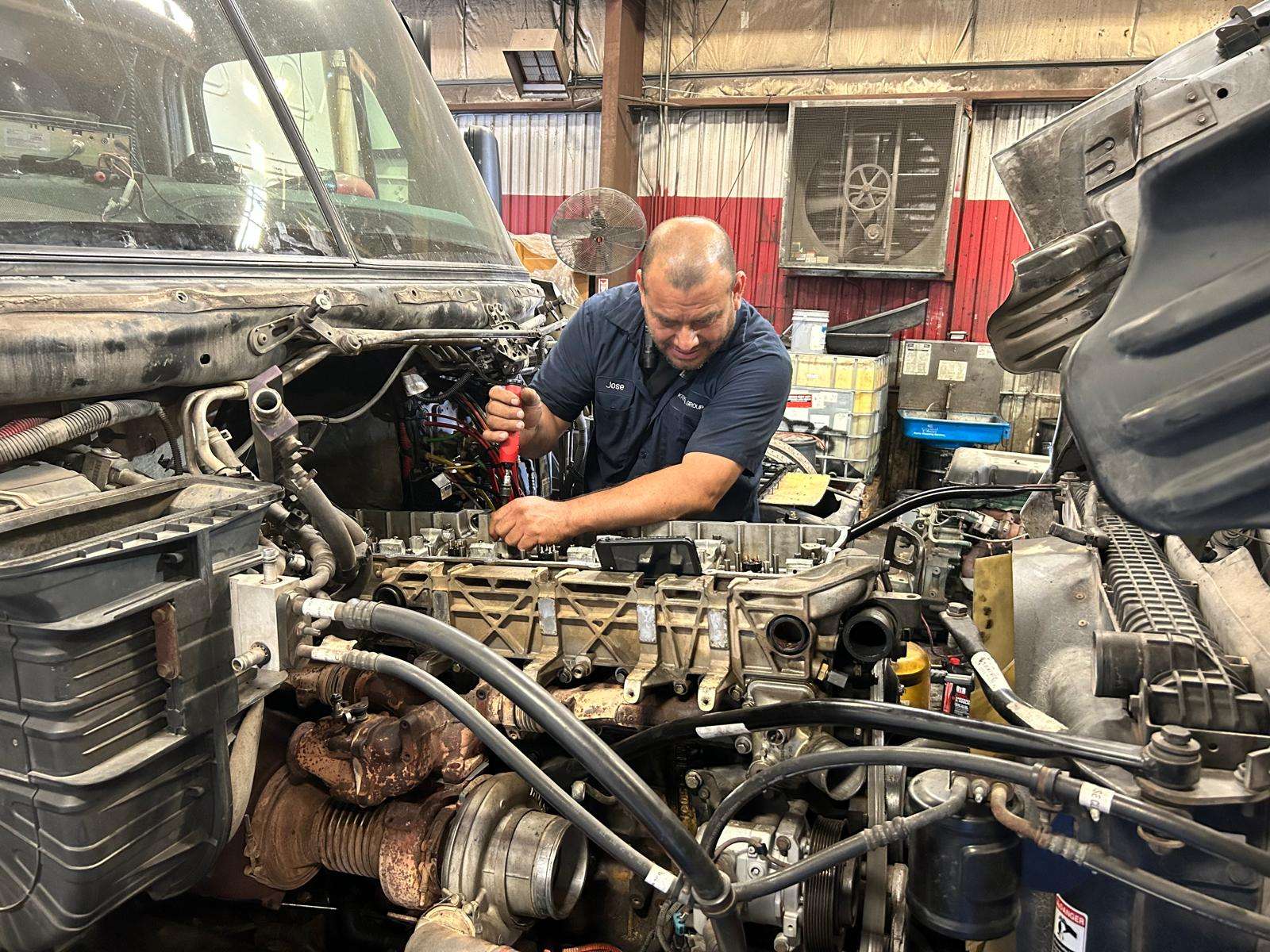
At Krishna Truck & Trailer Service Center, we understand the critical role maintenance plays in your truck’s performance. Our services include:
- Engine tune-ups – Keep your engine running smoothly
- Oil changes – Essential for engine longevity
- Transmission repairs – Crucial for optimal cruise control function
- Mobile services – Repairs when and where you need them
With 20+ years of service to the trucking community in Oklahoma City, our ASE-certified techs provide quick, dependable diesel repair. Our dedication is quality workmanship to put you back on the road quickly – because a properly maintained truck is your best defense against unplanned breakdowns and safety hazards.
Choose Krishna Truck and Trailer Repair
These cruise control insights can mean a lot to your trucking safety journey. Your speed control choices have a direct effect on your road safety, ranging from cruising below the speed limit to knowing when to accelerate in bad weather.
We comprehend your challenges as a trucker. That is why we exist to back your safety pledge with expert diesel truck services. Your truck’s performance and reliability rely on regular servicing and timely maintenance.
Are you ready to put your safety first?
Remember these cruise control tips on your next haul. Book regular maintenance checks to ensure maximum performance and safety levels. Leave your repairs in the hands of experienced technicians to have your truck running at its best.
At Krishna Truck & Trailer Repair, we’re dedicated to keeping you safe on the road. Our team of skilled technicians is ready to help with all your diesel truck service needs.
Your safety is our priority – call us today at (405) 435-1527.
Drive safe, stay alert, and let’s keep America’s goods moving together.