Preparing for a smog check is crucial for every vehicle owner. These inspections are not just about passing a test; they are vital for the environment and your car’s health. A smog check ensures your vehicle meets emissions standards and operates efficiently. Failing to perform checks like these can lead to costly repairs and fines. But with the right preparation, you can improve your chances of passing.
We will walk you through the steps to prepare your car for a smog check.
Understanding Smog Check Requirements
Before you head to a smog check, it’s important to know the requirements for your vehicle. Each state has its rules, but here are some common points to consider.
1. State-Specific Regulations
Many states require smog checks to help reduce air pollution. For example, California has a strict Smog Check Program that applies to most vehicles. Check your state’s Department of Motor Vehicles (DMV) or environmental agency website for specific rules.
2. Types of Vehicles Subject to Smog Checks
Not all vehicles need a smog check. Generally, the following types of vehicles are required to undergo inspection:
- Older Vehicles: Most states require vehicles that are more than a few years old to get checked.
- Gasoline and Diesel Engines: Both types of engines usually need to be inspected.
- Specific Exemptions: Some newer cars, electric vehicles, and hybrids may be exempt from smog checks. Again, check your state’s rules for details.
3. Frequency of Smog Checks
Smog checks are typically required every two years. However, this can vary by state. Some areas may require annual checks, especially for older vehicles. If your vehicle fails a smog check, you may need to get it repaired and retested before registering it.
Pre-Inspection Preparation for a Smog Check
Proper preparation can increase your chances of passing a smog check. Start with essential maintenance to ensure your car is in good condition.
Here are some important steps to follow before your inspection.
- Recommended Maintenance Tasks
Maintenance tasks include:
- Oil Change: If your oil is dirty or hasn’t been changed in a while, it’s a good idea to do this before the smog check. Clean oil helps your engine run better.
- Tune-Up: A tune-up can improve your vehicle’s performance. Check the spark plugs, air filters, and fuel filters. Replacing worn parts can make a big difference.
- Tire Maintenance: Ensure your tires are properly inflated and have enough tread. Good tires help with fuel efficiency and can reduce emissions.
2. Clear Diagnostic Trouble Codes
If your check engine light is on, it’s important to address this before the smog check. Many auto parts stores can read the diagnostic trouble codes (DTCs) for free. Fixing any issues indicated by these codes can help you pass the inspection.
Steps to Prepare for a Smog Check
Now that you’ve performed some basic maintenance, it’s time to prepare for the actual smog check. Here are the key steps to ensure a successful inspection.
- Review Owner’s Manual: Consult your vehicle’s owner’s manual for specific maintenance schedules and requirements. This can help you identify any issues that need attention before the smog check.
- Perform a Pre-Inspection: Consider getting a pre-inspection at a licensed smog check station. They can identify potential issues and help you prepare for the actual test.
- Drive the Vehicle: Before the smog check, drive your vehicle at highway speeds for at least 20 minutes. This helps warm up the engine and emissions control systems, which is important for accurate testing.
- Check Emission Control Systems: Make sure all the emission control components on your vehicle are functioning properly. This includes the catalytic converter, oxygen sensors, and exhaust system.
Common Reasons for Smog Check Failures
Even with proper preparation, some vehicles may still fail a smog check. Understanding the most common reasons for failures can help you identify and address potential issues before the inspection.
- Malfunctioning Oxygen Sensors: Faulty oxygen sensors can cause incomplete combustion, leading to higher emissions.
- Exhaust Leaks: Leaks in the exhaust system can allow unburned fuel to escape, increasing emissions.
- Incomplete Combustion: Issues like worn spark plugs or problems with the fuel system can result in incomplete combustion, which raises emissions.
If your vehicle fails a smog check, it’s crucial to address the underlying issues before attempting a retest. Driving with a failed vehicle can be illegal in some areas and may result in fines or penalties.
What to Expect During the Smog Check
Knowing what to expect during your smog check can help reduce any anxiety and make the process smoother.
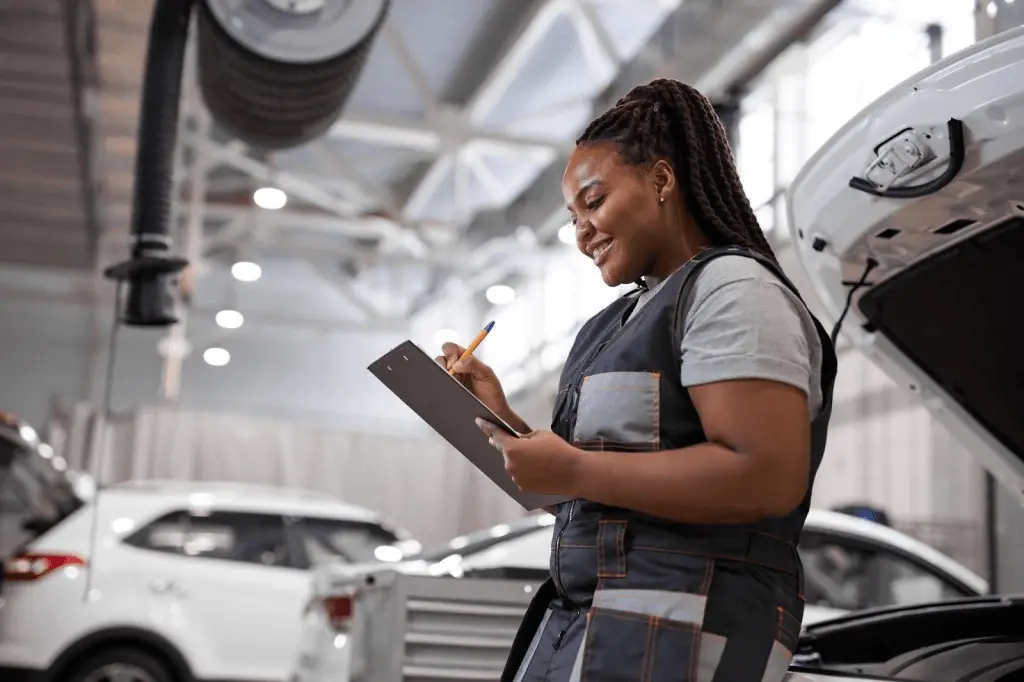
Here’s a breakdown of the inspection process and what happens once you arrive at the testing station.
- Visual Inspections: The technician will first perform a visual inspection. They will check for any obvious problems, such as missing or damaged emission control parts.
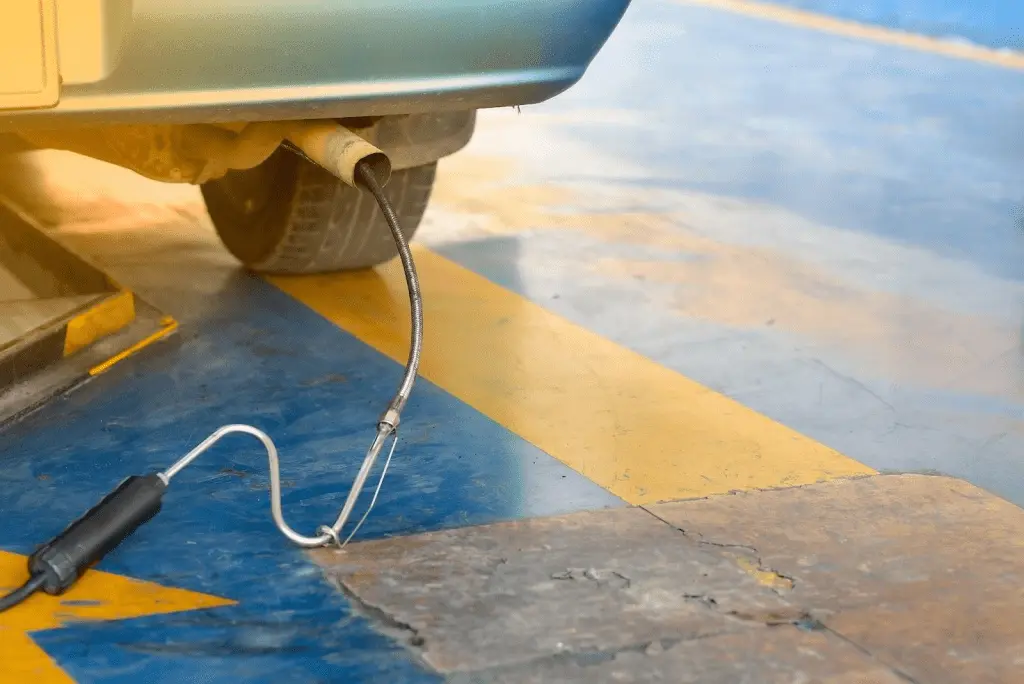
- Emission Testing: After the visual inspection, the technician will conduct the actual emission tests. This may include:
- Tailpipe Test: For older vehicles, a probe is placed in the tailpipe to measure exhaust emissions.
- OBD-II Test: For newer vehicles, the technician connects a computer to the vehicle’s on board diagnostics system to check for trouble codes.
Get Your Vehicle Smog-Check Ready with Krishna Truck and Trailer!
At Krishna Truck and Trailer, we understand the importance of passing your smog check. Our expert technicians are here to ensure your vehicle is running at its best. Whether you need routine maintenance or specific repairs, we have the skills and experience to help you succeed. Don’t leave your smog check to chance—visit us today for a thorough inspection and service that will give you peace of mind.
Get in touch with us for repairs and maintenance!
FAQs
What does smog mean in a car?
Smog in a car refers to the harmful pollutants released by the vehicle’s exhaust system. A smog check measures these emissions to ensure they are within legal limits.
How to pass a smog check?
Your car’s emissions must be below certain levels to pass a smog check. Regular maintenance, like changing the air filter and oil and fixing any engine problems, can help.
How frequently should I have the smog checked?
The frequency varies based on your location and vehicle type. Generally, cars over six years old need testing every two years, while newer cars may have different requirements.