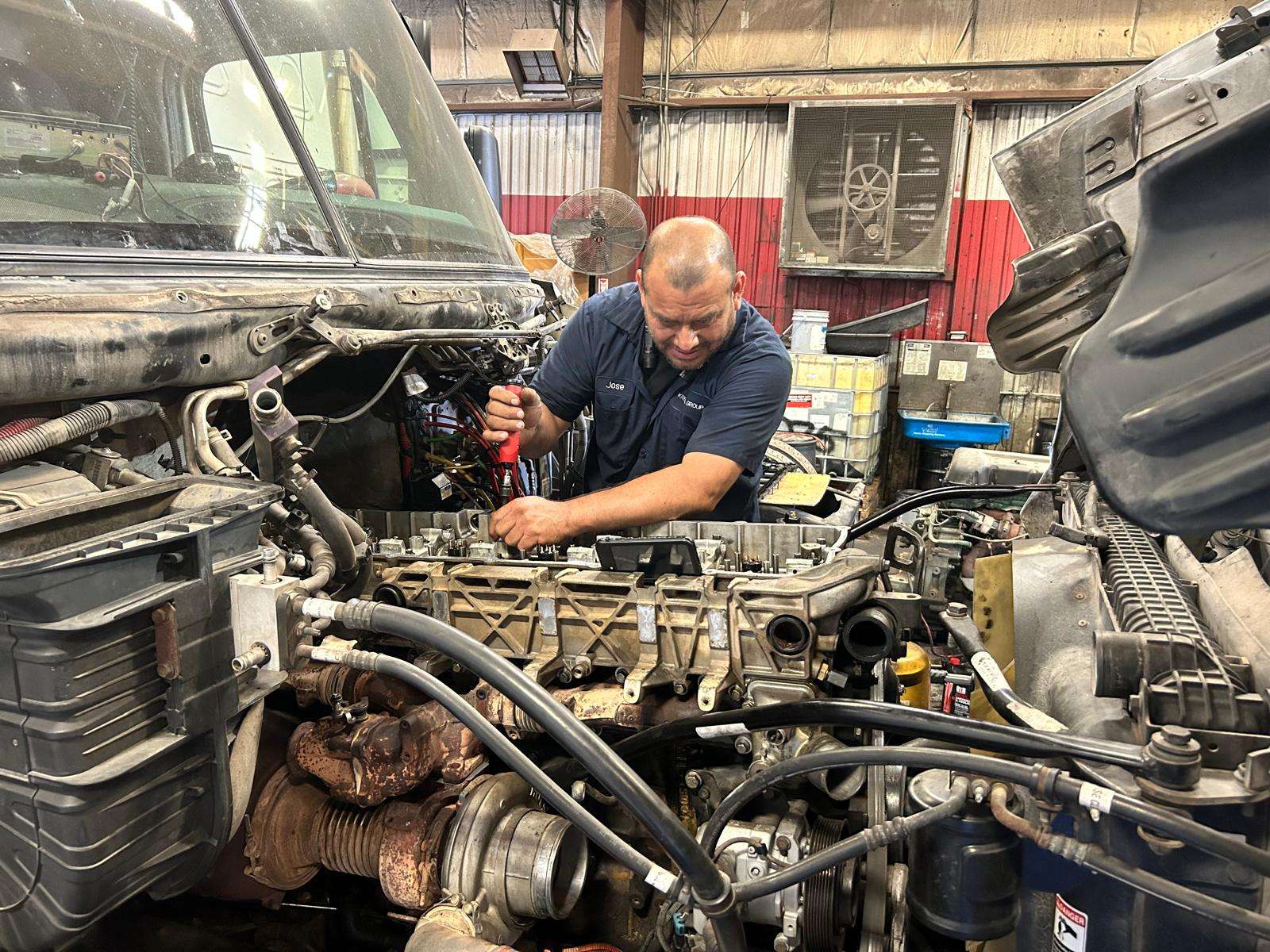
The radiator is an essential part of a vehicle’s cooling system, including trucks. It’s crucial to regularly maintain and promptly identify any radiator problems to prevent overheating and expensive repairs. In this article, we’ll cover the main indicators of a failing truck radiator. Identifying these signs early will allow you to quickly address the issue and minimize the risk of roadside breakdowns.
Engine Overheating
One of the most obvious indicators of a malfunctioning radiator is when the engine overheats. If your truck’s temperature gauge consistently displays higher-than-usual readings or if the engine temperature warning light comes on, this clearly indicates an issue with the cooling system. Engine overheating can occur due to a radiator that is clogged, leaking, or not efficiently dissipating heat. Any sudden increase in temperature requires immediate action to avoid substantial damage to the engine.
Leaking Coolant
Be sure to take note of a leaking radiator as it could be a significant issue that requires attention! It’s essential to inspect the vicinity of the radiator and under the vehicle for any evidence of coolant leaks. Spills of green, yellow, or pink liquid could signal a leak. Leakage of coolant can happen in different parts, including the radiator hoses, fittings, or the radiator. Any leaks present can result in reduced coolant levels, impacting the radiator’s capacity to control engine temperature.
Discolored Coolant
When conducting regular maintenance, visually inspecting the coolant in your truck’s reservoir or radiator can serve as a good guide to potential problems. Normal coolant should have a bright color, often green, yellow, or pink: the color will depend on the type of product. However, if the coolant seems discolored or has a milky texture, there may be an issue. Discoloration could indicate that rust is present, the oil is contaminated, or the head gasket is blown, all of which can affect the radiator’s performance.
When You Can See Rust or Corrosion
Over time, radiators can develop rust and corrosion due to exposure to a variety of things caused by the elements. Check the radiator for visible signs of rust or corrosion, such as discolored patches or flakes. Rust can weaken the radiator’s structure, leading to leaks or blockages that can impede the proper flow of coolant. If you notice any signs of rust or corrosion, addressing the issue promptly can help before it gets worse.
Sludge or Debris Build-up
If the radiator is failing, you may notice sludge or debris. Check the coolant for any contamination, like floating particles or a thick, muddy texture. Over time, sludge or debris can build up inside the radiator, blocking the coolant flow and leading to cooling problems. To prevent this, it’s important to schedule regular coolant flushes and system checks to maintain the radiator’s performance.
It is important to be able to recognize the early signs of a failing truck radiator in order to maintain your vehicle’s performance and prevent breakdowns. If you observe any of these indicators, it’s best to seek advice from a professional mobile truck repair service to promptly diagnose and resolve the radiator problem. Keep in mind that staying on top of maintenance and addressing repairs in a timely manner can help you avoid expensive breakdowns and keep your truck operating smoothly on the road.
Choose Krishna Truck & Trailer Repair
If you suspect that your semi-truck or trailer needs repair, it’s important to get in touch with reliable professionals who specialize in semi-diesel repair. Krishna Truck & Trailer Repair is your local go-to for all your semi-truck and trailer repair needs. Whether it’s routine maintenance, unexpected breakdowns, or major repairs, their experienced team is equipped to handle it all.
Don’t hesitate to reach out to us at (405) 435-1527 today to ensure that your valuable equipment receives the expert care it deserves.