Semi-truck accidents are a deep concern on our roads for both commercial and passenger vehicle operators. These occurrences can be devastating, so all parties sharing the road need to understand how and why they occur, not to mention the important issue of prevention.
Statistics point out a surprising fact: 77% to 90% of truck-related accidents involve passenger vehicles, which can often be attributed to most drivers not being aware of the safety protocols around trucks. This high percentage points out the need for increased education about road hazards specific to trucks and proper driving behavior around commercial vehicles.
Knowing common accident scenarios, being able to recognize potential hazards, keeping a safe distance from commercial vehicles, respecting truck blind spots, and defensive driving techniques all contribute to your safety on the road.
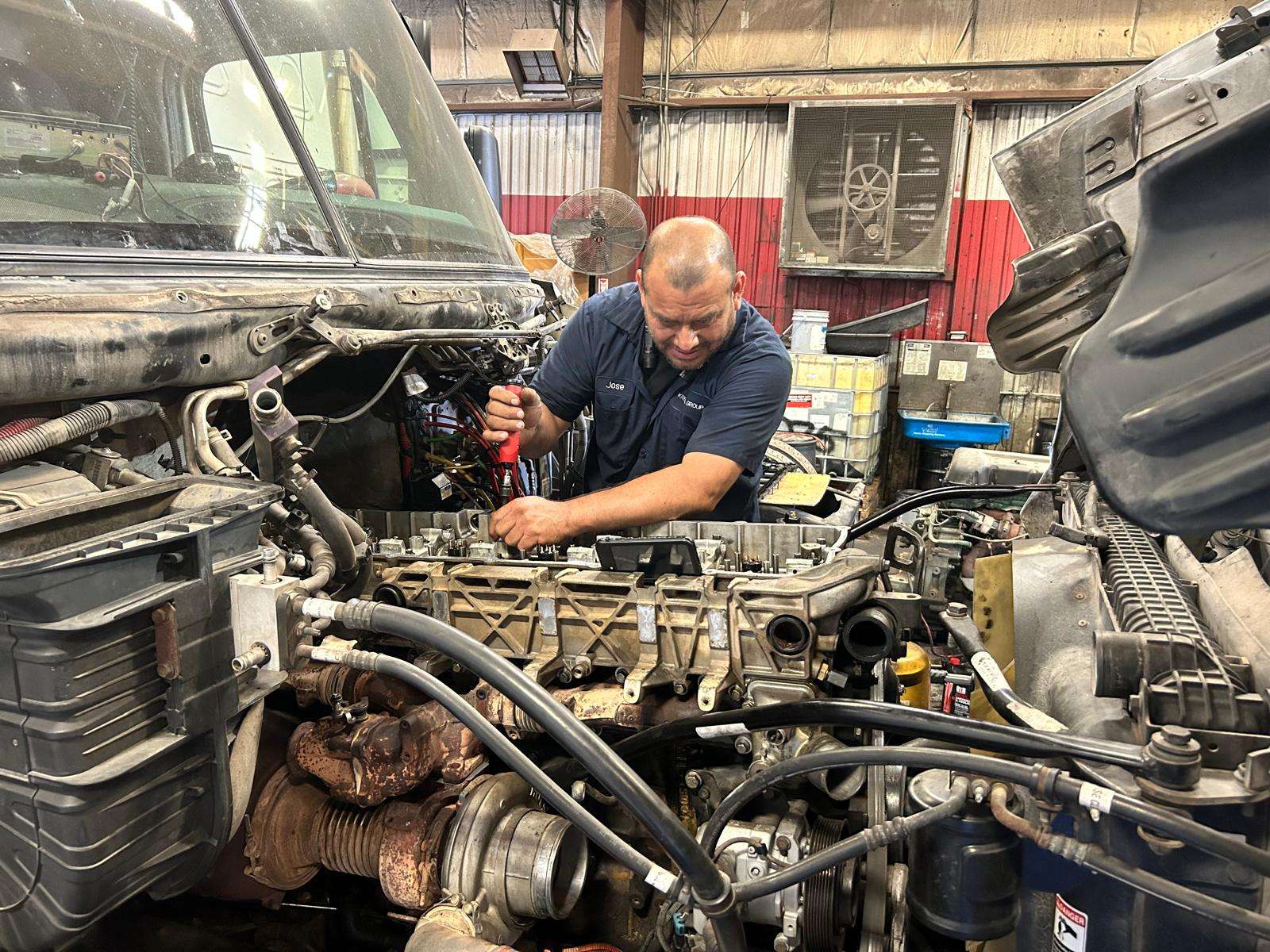
That being said, truck drivers need to maintain their trucks in order to avoid accidents. Just a simple inspection and timely repairs can prevent mechanical failures that may cause many dangerous situations. At Krishna Truck & Trailer Service Center, we have witnessed how proper maintenance can significantly lower accident risks in our over 20 years of service to diesel truck owners.
Whether you drive for a commercial living or just handle a passenger vehicle, knowing the most prevalent types of semi-truck accidents helps you stay safe while driving on the road. Let’s discover these types and learn how we can avoid them through proper knowledge and preventive steps.
Jackknife Accidents
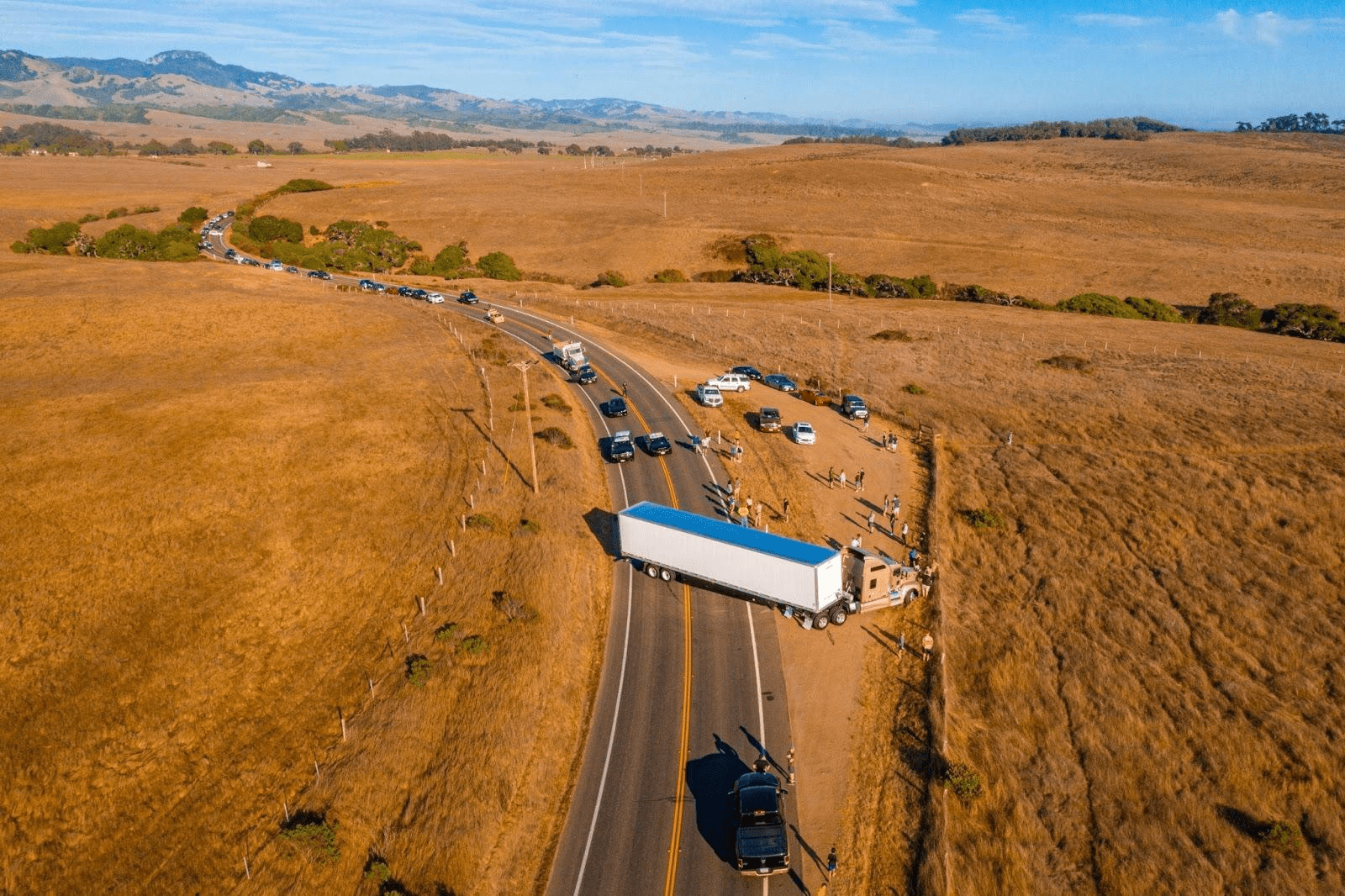
A jackknife accident is when the trailer of a semi-truck swings out at an angle from the cab, giving the appearance of a folding pocket knife. These accidents can be deadly and usually involve more than one vehicle, sometimes blocking the road.
Sudden braking to avoid collision occurs when truck drivers slam their brakes to avoid rear-ending another vehicle that has lost control. Slippery conditions from rain, snow, or ice can reduce traction, while four-wheeler interference from passenger vehicles cutting off trucks or making sudden moves can cause emergency maneuvers to be performed.
It has been recorded statistically that approximately 90% of all jackknife situations have been caused by passenger vehicles, which creates a condition that forces a truck driver to take emergency action. A small percentage of inexperienced drivers, through improper application of the brakes, do sometimes induce jackknifing; however, most are caused by an outside influence.
Prevention strategies for truck drivers include maintaining safe following distances, being aware of erratic behavior by other vehicles, using proper braking techniques for the existing weather conditions, and being alert to changing road conditions.
For passenger vehicle drivers, it’s crucial to never cut off a semi-truck, give extra space when merging near large trucks, avoid sudden stops or lane changes in front of trucks, and drive predictably while signaling intentions.
Realities of jackknife accidents often differ from what’s portrayed in the cases brought in legal actions. Truck accident lawyers often cite driver error, but statistics clearly show most such incidents begin with something done by a passenger vehicle. Both truck drivers and four-wheeler drivers can help avoid such dangerous situations by being aware of these dynamics.
Rollover Accidents
Rollover accidents are among the most dangerous to occur in trucking and often bring about disastrous consequences for all. While truck drivers themselves can indeed initiate rollovers due to actions like parking on soft shoulders, statistics indicate that 90% of rollover accidents are caused by contact with passenger vehicles.
The physics of a semi-truck makes it especially prone to rollovers. With the high center of gravity and weight distribution between cab and trailer, a delicate balance is struck. When passenger vehicles force truckers into emergency maneuvers, this balance becomes compromised, with potentially catastrophic results.
Blind Spot Accidents
Blind spot accidents are one of the top safety issues in the trucking industry. Hundreds of such accidents occur yearly, placing truck drivers and passenger vehicles in potentially dangerous situations.
Understanding Blind Spots
Semi-trucks have several blind spots—areas around the vehicle where drivers can’t see through their mirrors. No matter how hard a truck driver may try, these “no-zones” remain invisible because of the physical limitations involved with mirror placement and truck design.
The Pattern Behind Blind Spot Accidents
The reality of blind spot accidents reveals a disturbing pattern: Most four-wheeler drivers are not properly trained to safely maneuver around large trucks. Cars are likely to slip in blind spots during crucial moments, such as trucks turning. Limited choices are left to truck drivers once a car has entered the blind spot. The mirror system cannot safeguard the entire side of the truck; some sections will always be at risk.
Promising Solutions through Technology
Fortunately, recent technological advancements provide some promising solutions to this longstanding safety problem. For instance, new camera systems have been developed to afford better coverage of traditionally blind areas. The new systems target to fill in the gaps mirrors can’t reach, thereby expanding the truck drivers’ range of view.
While truck drivers can remain alert by keeping an eye on their mirrors and being cautious during lane changes, it requires the responsibility of all road users to prevent blind-spot accidents. Proper training, awareness, and new technologies can work together to make the roads much safer for all.
Median Crossover Accidents
Median crossover accidents are one of the most dangerous highway accidents. Vehicles lose control, crossover the median, and find themselves in the path of opposing traffic. These kinds of incidents mainly happen during bad weather, and the result is devastating for passenger vehicles and semi-trucks.
A Case Study from Odessa, Texas
A big rig in Odessa, Texas, offers a glimpse of just how complex these types of accidents can be. A Werner Enterprises truck was westbound on I-20 at the posted speed and in its lane. A pickup truck was eastbound, lost control, rotated through the median, and suddenly appeared directly in front of the truck. Even with the truck driver doing all that was supposed to be done for safety, the resultant collision killed one and severely injured three others.
This accident’s aftermath demonstrates a disturbing legal liability trend. While evidence shows the pickup truck caused the accident, Werner Enterprises had to endure a $90 million lawsuit judgment—just another example of how, in most cases, trucking companies are held legally liable regardless of fault.
Safety Reminders for Bad Weather
- Slow down considerably below posted speed limits.
- Leave plenty of space for the vehicle in front. Be on the lookout for vehicles displaying loss of control.
- Be aware of erratic changes in other drivers’ behaviors.
- Consider pulling over when conditions turn bad.
Passenger Vehicle Drivers
- Never try to make a sudden move on a large truck.
- Keep the vehicle under control on wet/icy roads.
- Keep back from trucks in inclement weather.
- Stay in your lane, especially during adverse conditions.
- Consider pulling over or waiting to travel during bad weather.
These crashes provide a reason for continued awareness and defensive driving for truck drivers and passenger vehicle drivers, especially in unfavorable weather conditions.
Who Causes These Crashes? Understanding Four-Wheeler Responsibility in Truck Accidents
The statistics don’t lie: 77% to 90% of accidents involving both semi-trucks and passenger vehicles are caused by four-wheeled vehicles. This flies in the face of popular conventional wisdom that mostly lays the blame at the feet of truck drivers.
Legal Proceedings Paint a Different Picture
Even in cases where evidence proves four-wheeled vehicles were at fault, trucker companies are often penalized heavily. One such case was a Werner truck case in Texas. The truck driver was abiding by all the rules when a pickup truck lost control and crashed into them. Even though it was evident from the proof that the pickup truck was at fault, Werner ended up losing $90 million in court.
The Alarming Legal Trend
This confusion as to who is at fault is the result of an unsettling legal trend. Sometimes courts hold trucking companies liable because they have deeper pockets, not because they are in the wrong. This is done to help pay for accident victims’ medical expenses, even if they were the cause of the accident.
The Challenge in the Trucking Industry
The major problem with the trucking industry is this huge gap between what actually causes accidents and what happens in court. Four-wheeler drivers get very little training on safely sharing roads with trucks. The legal systems in place appear to often prioritize compensation over accountability. Trucking companies face disproportionate liability despite following safety protocols.
These facts illustrate just how critical it is to understand why truck accidents occur. Both truck drivers and passenger vehicle drivers can benefit from being aware of these truths, which leads to heightened road awareness and safer driving habits.
Preventive Steps for Truck Drivers
Safety on the road is a proactive affair. Here is what you can do to reduce the chances of accidents.
Defensive Driving Techniques
Treating all four-wheelers as a potential threat is essential. Drivers must keep a following distance in bad weather and be aware of other vehicles getting into their blind spots. It’s crucial to adjust speed for road and weather conditions and anticipate sudden maneuvers by passenger vehicles.
Critical Maintenance Checks
The maintenance of your truck is important for safety. Regular inspections should be done on all major systems, including checking the performance of the braking system, tire pressure, and wear patterns, keeping steering components in optimal condition, and addressing minor issues before they become major problems.
At Krishna Truck & Trailer Service Center, we offer a full maintenance service to keep your truck safely on the road. Our experienced technicians conduct thorough inspections and make necessary repairs to avoid mechanical failure, which can cause accidents.
Regular maintenance checks make it easier to detect potential problems before they compromise your safety on the road. From oil changes to engine tune-ups, every service ensures your truck’s reliability and peak performance.
Keep in mind that a combination of defensive driving skills and vehicle maintenance forms a solid platform for preventing accidents. These habits can help ensure safety for you and every other road user.
Choose Krishna Truck and Trailer Repair
Safety measures are required from both truck drivers and passenger vehicle drivers. Understanding the most common types of accidents helps make better choices while on the road and lessens the risk of unwanted collisions. Maintenance is a must to prevent any type of accident.
Specializing in keeping your diesel truck in top condition, Krishna Truck & Trailer Repair employs expert technicians who provide a full range of services, from routine maintenance to detailed repairs, keeping you at peak performance and safety levels. Want to improve performance and safety? Give us a call at (405) 435-1527.
For over 20 years, serving Oklahoma City with the most reliable, affordable, and speedy diesel repair that will keep you safe out there on the road.