There are several different styles of work when it comes to truck driving. Believe it or not, the industry requires a dynamic approach to each hauling scenario to ensure logistics are kept efficient. For example, local truck driving primarily involves operating within city limits. Long-haul drivers deliver loads to terminals during afternoons or evenings, and local drivers distribute these loads around the city the following morning. After deliveries, they reload trailers and return them to terminals for cross-country transport.
Continue reading to learn more about all of the styles of trucking that keep goods flowing from point A to point B in the best possible way.
Benefits of Local Work
Local driving offers several advantages, particularly regarding compensation. Most local drivers receive hourly wages. With the potential for overtime hours, local drivers can accumulate significant working time, especially since city work can be unpredictable with loading and unloading delays. Good companies often provide overtime pay after 40 or 44 hours.
Challenges of Local Work
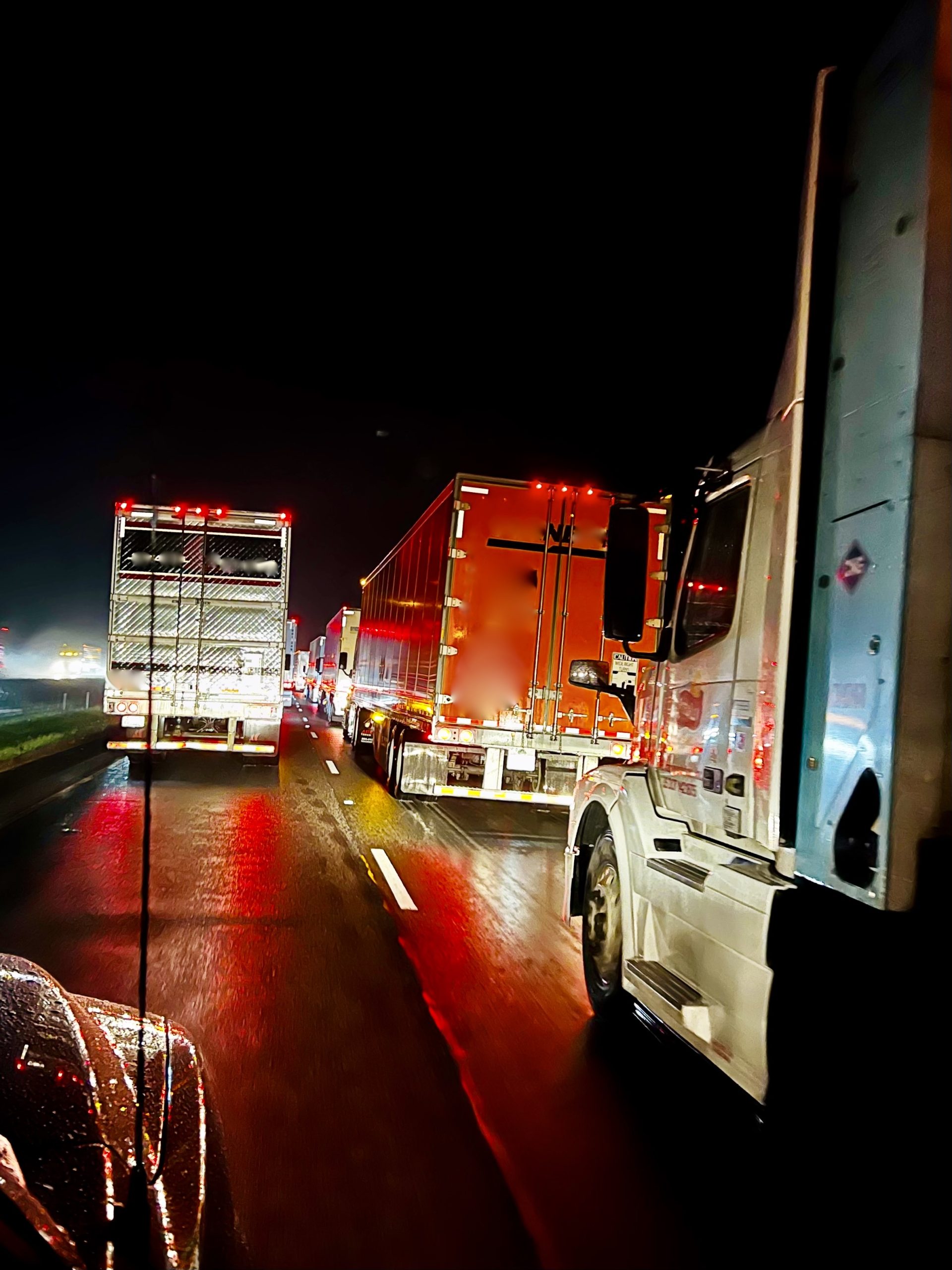
The primary challenge of local driving involves dealing with heavy traffic. Unlike long-haul drivers who can avoid busy city centers, local drivers must navigate through congested urban areas. For example, a 15-mile delivery might take an hour on Thursdays and Fridays due to traffic density, particularly in major cities.
Career Options
As a truck driver, you have several career paths to consider: local routes, OTR (including long-haul or regional work), and dedicated runs, if available, through certain companies. Each option offers distinct advantages and challenges, allowing drivers to choose based on their preferences and lifestyle needs.
Advice to New Drivers
We advise new drivers to start with city driving first. If you can drive local routes for two or three years without accidents or damage, you will probably have a good career ahead of you.
Perks of Local Work
One of the great benefits of doing local work is that you will most likely be home every night. While long-haul drivers may be away for weeks at a time, local drivers usually start their day early and make it home in time for dinner. Making it one of the most family-friendly trucking jobs out there, waking up at four in the morning can be ideal, but it’s something many people choose to do! Some companies have local drivers who make fast trips between cities that might involve one overnight stay but will have you home the next day. When you think of local work, picture all those drivers in day cabs making deliveries; those are your local drivers.
Additional Resources
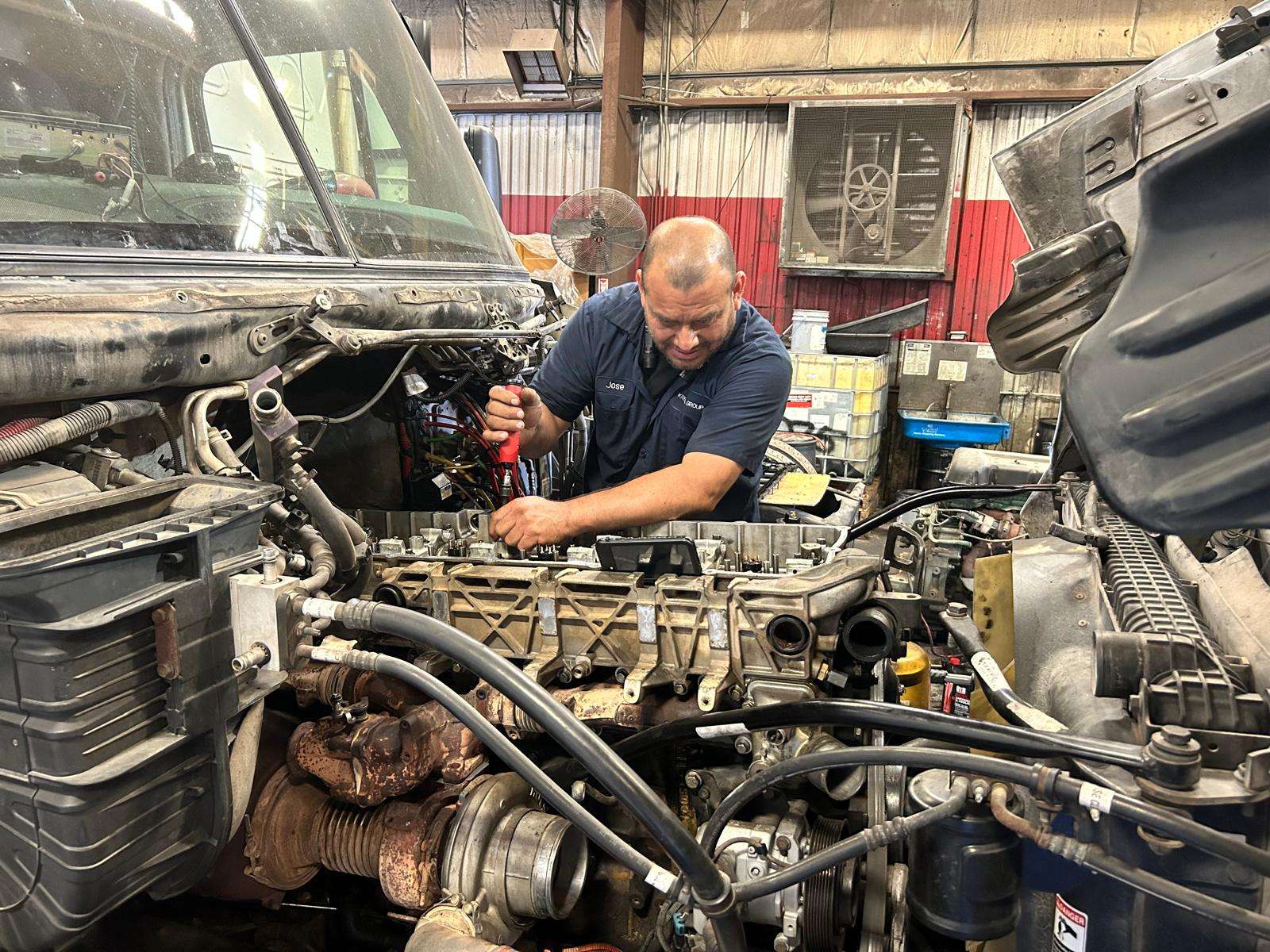
If you’re thinking of getting into this field or need info on truck maintenance while on these routes, check us out here at Krishna Truck and Trailer Repair. For airflow issues or to get roadside assistance, give us a call! Read through customer reviews of diesel repair shops before servicing your light-duty trucks. Whether you doubt the ECM or want the fastest diesel repair service, we can get your truck running right in no time!
Dedicated Work
Next, let’s talk about dedicated work. A dedicated run means you are hauling the same freight between the same locations. Say you’re looking at a route across the U.S.: you would just turn right around and come back again very quickly after dropping off your freight.
That is what dedicated means: if it’s a 500-mile run, you go out 500 miles and back 500 miles, repeating it until the week is over. Some drivers like this predictability because it allows for consistent freight, but dedicated runs can be fairly boring! If you can handle the monotony and want that type of work, go for a dedicated run. The benefit of this style is that you can predict your paycheck.
Your income becomes more stable because you know when you will leave and return home, plus you can estimate your weekly mileage and fuel costs. Not many companies have dedicated work available, but the big carriers all have these opportunities.
OTR Drivers Explained
OTR stands for Over-The-Road and breaks down into two types: regional and long-haul driving. Regional drivers usually take on shorter trips, say, 500 miles. With regional driving, if you live close to a terminal, you might be able to get home one or two nights a week, depending on your route. The pay is usually about the same; regional drivers make about the same as OTR drivers because they’re doing faster trips over and over.
Then, there are long-haul drivers who go further. Those who prefer less eventful but longer hauls, driving around a thousand to 1200 miles or so, may prefer this style. Driving out, unloading, reloading, and heading somewhere else or back home is about the extent of the work. Now, keep in mind that as a regional driver, you’re going to be offloading and reloading almost daily.
Remember that regional drivers can go home one or two nights a week regularly, whereas long-haul drivers may only get home once during longer stretches. Most dedicated trucking routes come with more predictable income, although there will be headaches of their own associated with the differences between regional and long-haul driving.
Choose Krishna Truck and Trailer Repair
Ready to start your trucking career or make a change in your current route? Contact our professionals here at Krishna Truck and Trailer Repair at (405) 435-1527 today to explore your options and find the perfect driving opportunity that matches your lifestyle and goals. Knowing you have experts like us on your side to perform nearly any diesel repair your truck may need can help you achieve success on your route, local or longer!