A truck that shifts badly does not automatically need a replacement transmission. The decision should follow identification and diagnosis: what failed, how much damage exists, which parts are reusable, and what the complete job includes. For a working tractor, compare targeted repair, overhaul, and replacement as different scopes of work. The cheapest initial line item and the shortest quoted lead time do not necessarily describe the best-supported option.
Identify the transmission and define the complaint
Start with the transmission model and serial information, truck VIN, mileage, and service history. Distinguish a conventional manual, an automated manual, and an automatic transmission. Their controls, service procedures, and possible failure paths are not interchangeable. A diagnosis built around the wrong transmission family can send the estimate in the wrong direction.
Describe whether the concern is delayed engagement, difficult shifting, slipping, a specific gear problem, a leak, overheating, or noise. Note whether it happens cold, warm, loaded, or during a particular maneuver. Save dashboard messages and tell the technician about recent battery, clutch, engine, or driveline work.
Do not keep operating through loss of drive, severe noise, or a major leak to collect more examples. Arrange recovery when the vehicle cannot operate safely.
Targeted repair addresses a demonstrated fault
A targeted repair corrects an identified problem without automatically replacing the complete assembly. Depending on the transmission, that might involve an external leak, an air-control issue, wiring, a sensor, or a serviceable mechanism. A clutch or driveline concern may also resemble a transmission failure; those systems need to be distinguished during diagnosis.
Ask what evidence connects the proposed part to the complaint. A fault code is useful, but the estimate should explain the diagnosis rather than treat a code description as a complete test result. Likewise, oil on the housing should be traced to its source instead of assumed to come from the nearest seal.
Targeted repair is most persuasive when the fault is isolated and the rest of the unit has been assessed sufficiently for the recommendation. Ask what has not yet been inspected.
An overhaul is more than replacing the noisy part
An overhaul generally involves removing and disassembling the transmission, assessing internal components, and rebuilding it using serviceable and replacement parts as the agreed scope requires. The important question is what that specific overhaul includes. “Rebuilt” alone does not identify the inspection criteria, replaced components, or final testing.
Request a description of the condition of gears, bearings, shafts, case, and other relevant parts, and ask what happens if teardown reveals additional damage. Agree on the authorization process before disassembly. A preliminary estimate should not be confused with a final parts list when internal condition is unknown.
Do not attempt removal or towing preparation yourself. Eaton’s FR/FRO service manual includes specific safety and towing precautions intended to prevent injury and transmission damage. (Eaton Fuller HD FR/FRO Transmissions Service Manual, TRSM2400) Have the service and recovery providers follow the instructions for the actual unit.
Replacement may mean remanufactured or new
Replacement describes swapping the assembly; it does not identify where the replacement came from. A new transmission and a remanufactured transmission are different products. A used take-out unit has a different history again and should not be presented as equivalent without evidence.
Eaton states that its remanufactured transmissions use its assembly processes and genuine new or reclaimed parts, followed by dynamometer testing. (Eaton Remanufactured Transmissions) That describes Eaton’s program, not every unit advertised as rebuilt or remanufactured. Ask who produced the proposed assembly and what its documentation establishes.
Compatibility must be confirmed beyond a broad model name. Relevant configuration details can include ratings, ratios, controls, clutch interface, PTO provisions, and lubrication or cooling arrangements. Ask the shop to confirm the supplied configuration and identify which existing components must be transferred or replaced. Availability and suitability must be verified for your truck.
Compare complete estimates, not just assembly prices
Ask each option to separate diagnosis, removal and installation, parts, fluids, related work, and any applicable programming or calibration. Clarify freight, core-return conditions, and possible additional charges before authorization. A lower assembly price can be misleading if essential installation work is outside that quote.
- Evidence: What failed, and what supports repair versus a larger job?
- Scope: Which components are replaced, reused, inspected, or excluded?
- Risk: What remains unknown until teardown or testing?
- Schedule: What is confirmed in stock, and what timing remains provisional?
- Terms: What written coverage and exclusions apply to this specific proposal?
Consider the truck’s overall condition and planned remaining use, not just its odometer. Do not assume a replacement automatically saves a fixed percentage, improves fuel economy, or eliminates future downtime. No single option has a universal financial advantage.
Resolve the cause and document the handoff
Before return to service, ask how the original complaint was checked and whether a contributing leak, lubrication issue, control fault, or related component problem was addressed. An assembly swap alone does not answer why the original unit failed.
Use the lubricant approval for the installed model. Eaton’s lubrication manual distinguishes approved specifications and specifically limits Procision lubricant to that transmission application. (Eaton Lubrication Product Specification Manual, TCMT0021) Do not authorize a generic fluid substitution simply because the container says it is suitable for heavy-duty use.
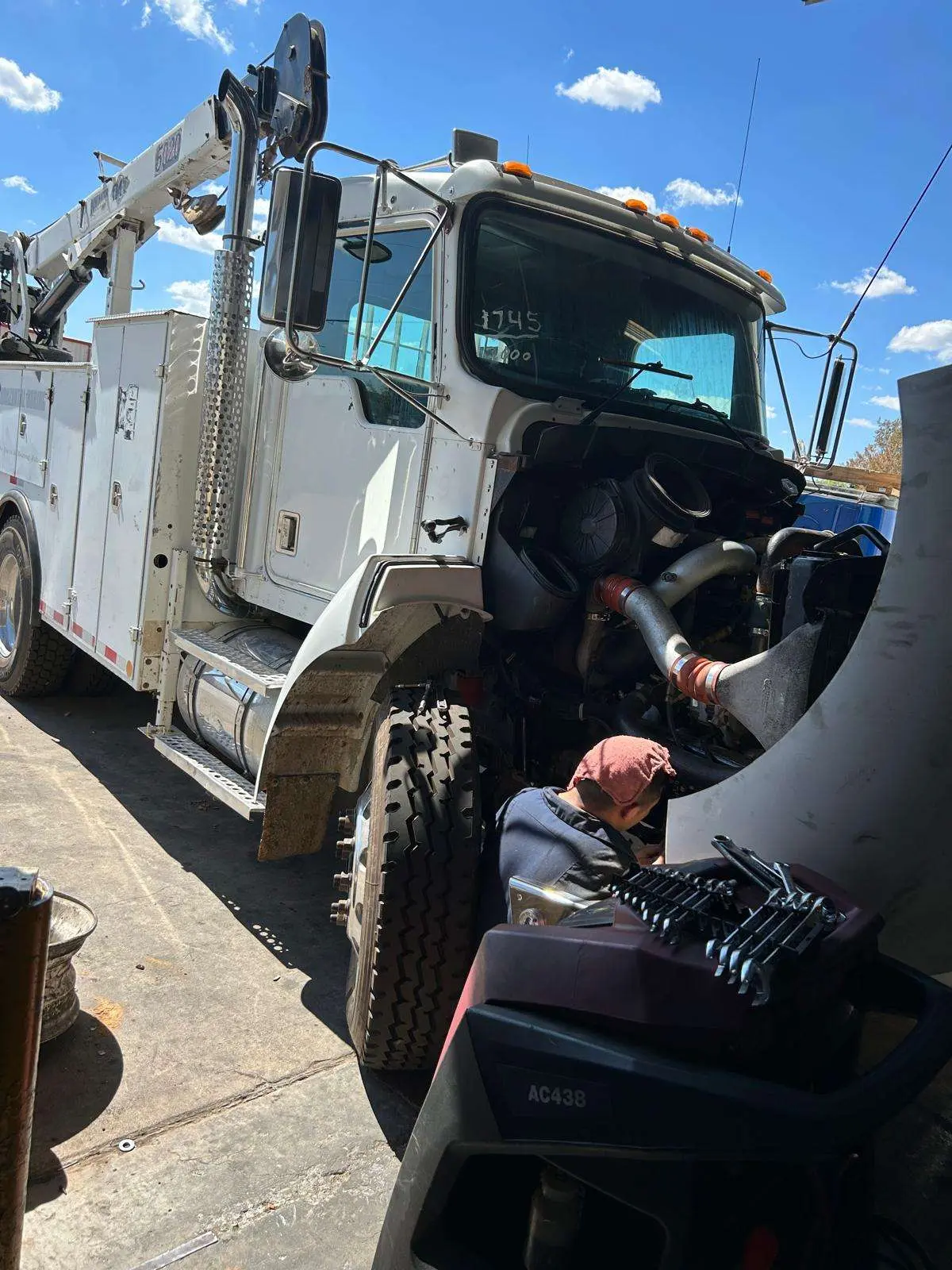
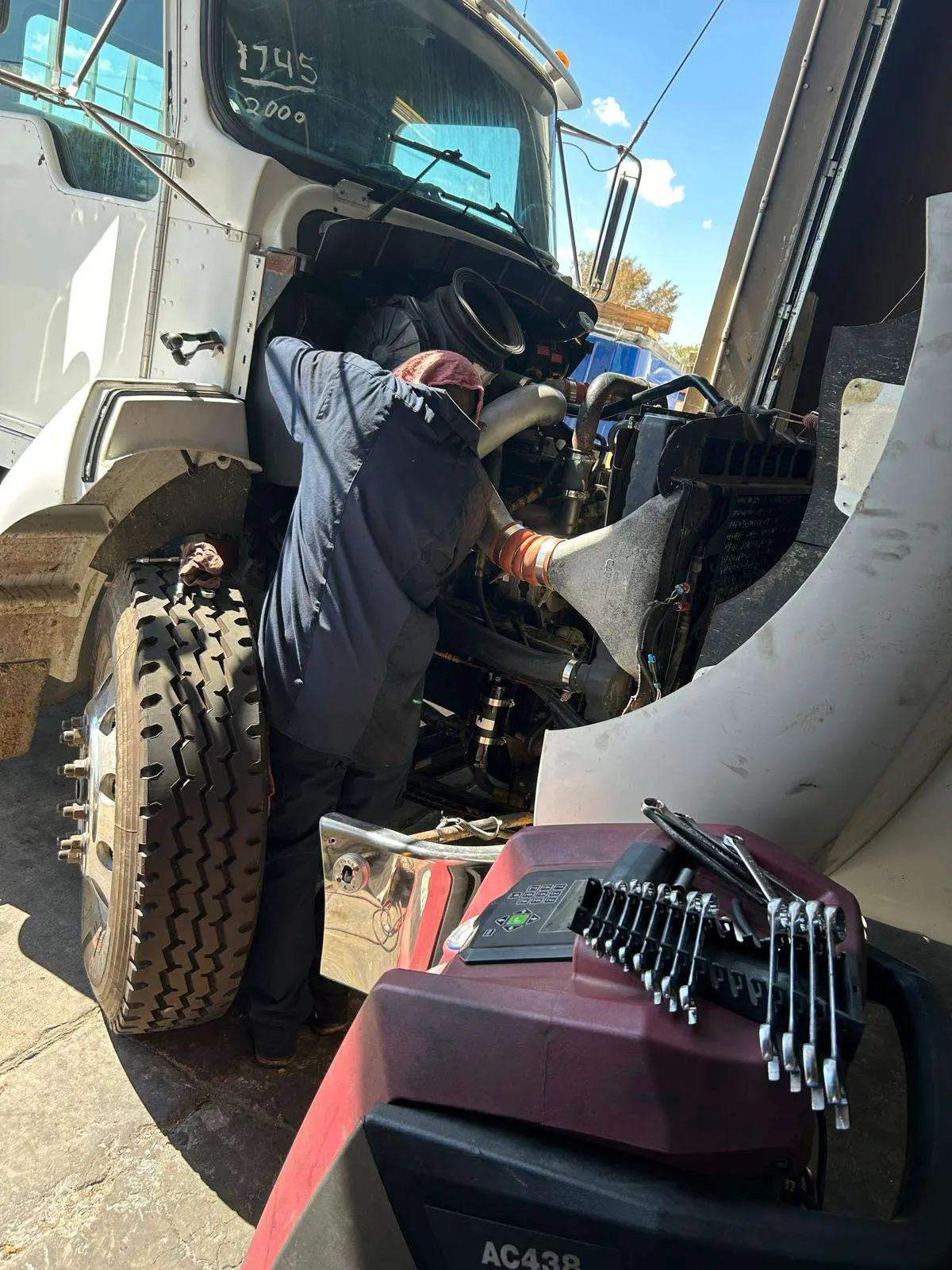
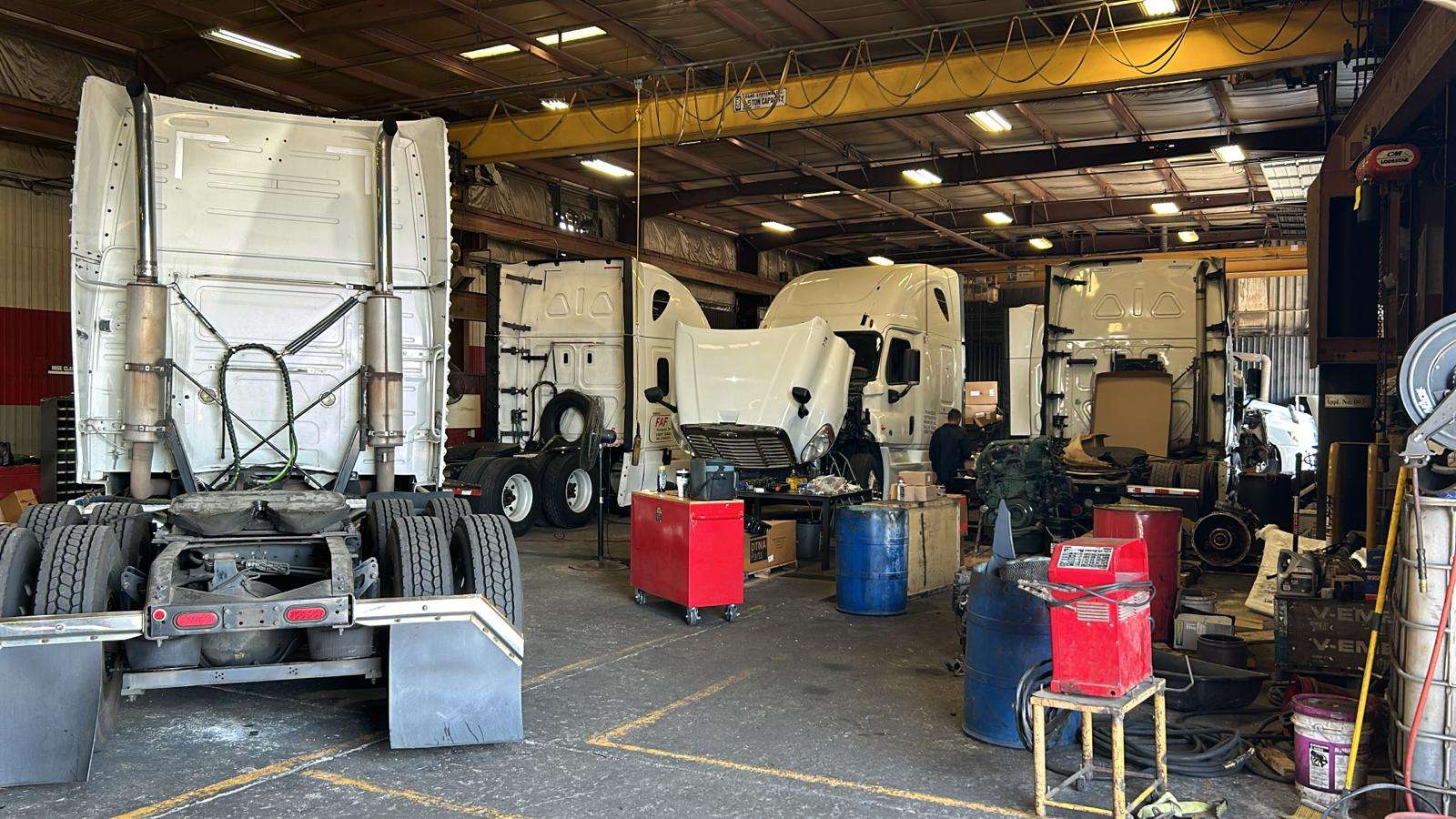
Keep the replacement identification or overhaul details, invoice, initial service requirements, and next maintenance due points. Krishna Truck & Trailer Service Center discusses transmission repair and replacement on its diesel repair services page. Call (405) 435-1527 to discuss your truck and arrange assessment at 317 S Morgan Road, Oklahoma City, OK 73128. Confirm the available options after diagnosis rather than choosing a scope over the phone.
Frequently Asked Questions
Does hard shifting mean the transmission needs replacement?
No. The cause may involve the transmission, clutch, controls, air supply where applicable, or related systems. Identification and testing come first. Describe when the symptom happens and provide recent repair history instead of ordering an assembly from the symptom alone.
Are an overhaul and a remanufactured transmission the same?
Not necessarily. An overhaul describes work performed on a unit; remanufacturing describes a supplier’s rebuilding process and product. Compare the actual inspection, parts, testing, identification, and written terms rather than treating the labels as standardized promises.
Is replacement always faster than repair?
No. Timing depends on diagnosis, parts or assembly availability, configuration, transport, installation, and verification. Ask which parts of the schedule are confirmed. A unit that appears available may still require compatibility checks or supporting work.
What should I approve before teardown?
Agree on diagnostic and teardown scope, the initial authorization, how findings will be documented, and when further approval is required. Ask about reassembly or storage implications if you decline the next stage. Get the arrangement in writing before work proceeds.